
A quick tire pressure check can be easy to overlook, especially when your tires look fine from the outside. But for drivers in Pine Bluff, changing temperatures, summer heat, everyday commuting, and trips around Jefferson County make regular tire pressure checks a simple part of responsible vehicle maintenance.
Checking your tire pressure at least once a month helps you catch underinflation or overinflation before it contributes to uneven tire wear, poor handling, or other tire problems. Check the tires when they are cold, compare the readings with the vehicle manufacturer’s recommended pressure, and remember to inspect the spare tire if your vehicle has one.
What local drivers should know
-
Check tire pressure at least once a month and before longer drives outside the Pine Bluff area.
-
Use the pressure listed by the vehicle manufacturer, typically found on the driver’s-side door jamb or in the owner’s manual, rather than the maximum pressure printed on the tire.
-
Arkansas temperature changes can affect tire pressure, so seasonal weather shifts are a good reason to check more frequently.
-
Inspect all four tires for visible damage, unusual wear, or objects in the tread while checking the pressure.
-
Drivers traveling regularly between Pine Bluff, White Hall, and other Jefferson County communities can benefit from making tire checks part of their normal vehicle maintenance routine.
Why Tire Pressure Matters for Pine Bluff Drivers
Proper tire pressure matters for Pine Bluff drivers because it helps tires maintain the intended contact with the road, supports predictable handling, and promotes more even tread wear. A tire that stays significantly underinflated or overinflated can wear differently and may not perform as intended during everyday driving.
Local driving can include everything from short trips around town to highway travel and longer drives through Jefferson County. Arkansas heat is another consideration. Tires already generate heat as they flex and roll, which makes starting with the correct cold inflation pressure especially important before a summer road trip.
Midtown Tire & Auto helps local drivers address tire and automotive needs in Pine Bluff. When you are unsure whether a pressure problem is simply normal fluctuation or a sign of a tire issue, we can help you determine the appropriate next step.
Local Tire Pressure Observations
Local tire pressure concerns often become more noticeable when temperatures change or a tire repeatedly loses air between checks. Rather than treating every low reading as the same problem, drivers should pay attention to how quickly the pressure changes and whether one tire behaves differently from the others.
In Southeast Arkansas, drivers experience hot summers along with cooler periods during fall and winter. Because tire pressure responds to temperature, a dashboard tire pressure warning can sometimes appear after a significant drop in outdoor temperature.
The important question is whether the tire returns to and maintains the manufacturer’s recommended cold pressure after adjustment. A tire that repeatedly needs air deserves closer inspection.
How Incorrect Tire Pressure Can Affect Your Vehicle
Incorrect tire pressure can affect tire wear, steering response, ride quality, and the way your vehicle feels on local roads. The longer a significant pressure problem continues, the more opportunity there is for irregular wear or tire damage to develop.
An underinflated tire flexes more as it rolls. Overinflation can also change the tire’s contact with the pavement and contribute to undesirable wear patterns.
For residents commuting around Pine Bluff or making regular trips toward White Hall and surrounding Jefferson County communities, these effects can accumulate through normal daily mileage. Keeping pressure at the vehicle manufacturer’s specification gives your tires the conditions they were designed to operate under.
Warning Signs Your Tire Pressure Needs Attention
Common warning signs include a tire pressure monitoring system light, a visibly low tire, changes in handling, and one tire that repeatedly loses pressure. Even without a warning light, monthly manual checks are worthwhile because gradual pressure changes may otherwise go unnoticed.
Watch for:
-
A tire pressure monitoring system, or TPMS, warning light
-
One tire that appears lower than the others
-
Repeatedly needing to add air to the same tire
-
Uneven or unusual tread wear
-
A change in steering or handling
-
Visible cuts, bulges, cracking, or other tire damage
-
A nail, screw, or other object embedded in the tread
-
A noticeable pressure change after a major shift in weather
Do not rely only on appearance. A tire can be improperly inflated without looking obviously low.
When to Have a Tire Professionally Inspected
Have a tire professionally inspected when it repeatedly loses pressure, has visible damage, shows unusual tread wear, or cannot maintain the recommended pressure. Adding air may correct the pressure temporarily, but it does not address a puncture, leaking valve, wheel-related leak, or tire damage.
Drivers can safely monitor pressure at home with a reliable gauge and add air according to the vehicle manufacturer’s specifications. Stop there if you find significant damage, a persistent leak, or anything that makes you question whether the tire is safe to drive on.
For Pine Bluff drivers, catching a slow leak before a longer trip along area highways can prevent a small maintenance concern from becoming a much more inconvenient roadside problem.
Common Causes of Low Tire Pressure
Low tire pressure commonly results from temperature changes, gradual air loss, punctures, valve-related leaks, or leaks where the tire and wheel meet. Determining the cause matters when a tire continues losing pressure after it has been properly inflated.
1. Temperature changes
Cooler outdoor temperatures can lower tire pressure. This can be particularly noticeable when Southeast Arkansas transitions from warmer weather into cooler fall or winter conditions.
2. Small punctures
Nails, screws, and other road debris can create slow leaks that are not immediately obvious.
3. Valve problems
A leaking valve or valve core can allow air to escape gradually.
4. Tire or wheel sealing problems
Leaks can sometimes develop where the tire seals against the wheel. A professional inspection can identify whether this area is contributing to repeated pressure loss.
5. Tire damage
Cuts, impacts, and other damage can affect a tire’s ability to retain air and may require professional evaluation.
How to Check Tire Pressure Once a Month
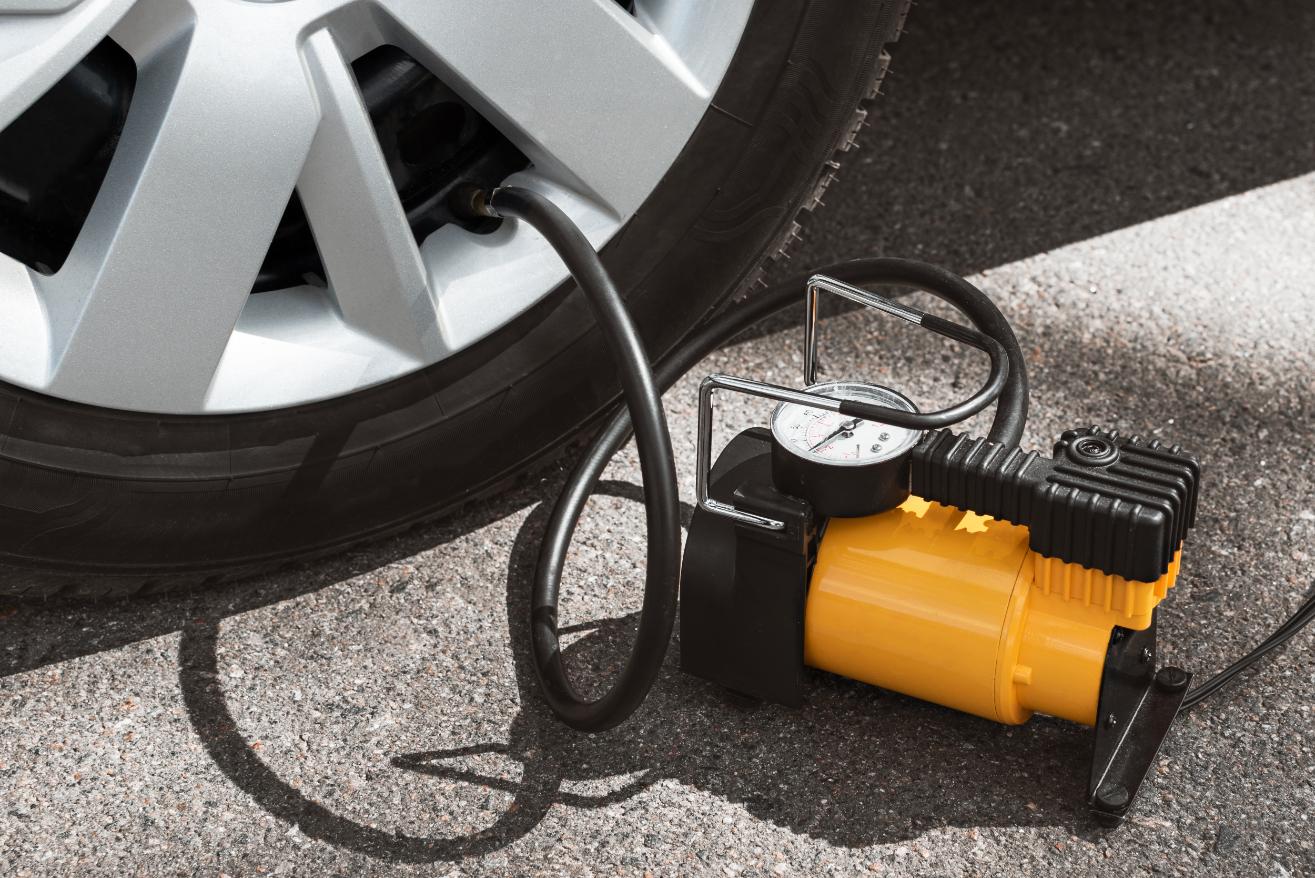
Check tire pressure monthly by measuring each cold tire with a reliable gauge and comparing the reading with the manufacturer’s recommended cold inflation pressure. Building this into a recurring routine makes it easier to spot changes before they become larger concerns.
Choose an easy date to remember, such as the first weekend of every month. Check your tires before driving or after the vehicle has been parked long enough for the tires to cool.
Find the recommended pressure on the driver’s-side door jamb label or in the owner’s manual. Remove each valve cap, take the reading, and adjust the pressure as needed. Replace the valve caps when finished.
While you are there, look over the tread and sidewalls. Before longer drives from Pine Bluff toward Little Rock or elsewhere in Arkansas, perform an additional check rather than waiting for your usual monthly date.
What to Expect From Regular Tire Pressure Maintenance
Regular tire pressure maintenance helps you identify pressure changes sooner and gives you more opportunities to notice developing tire problems. It cannot prevent every puncture or tire failure, but it is one of the simplest checks drivers can perform consistently.
Over time, your monthly readings can also reveal patterns. If three tires remain relatively consistent but one regularly needs air, that difference is useful information. Instead of continuing to top it off indefinitely, you can have the tire inspected to determine why it is losing pressure.
Common Tire Pressure Mistakes
The most common tire pressure mistakes are checking only when a warning light appears, using the number on the tire sidewall as the target pressure, and repeatedly adding air without investigating a leak. A better routine uses the vehicle manufacturer’s specification and regular cold-pressure checks.
Mistake: Waiting for the TPMS light.
Consequence: Pressure can change between warnings or without producing an immediate alert.
Better approach: Check all tires manually at least once a month.
Mistake: Inflating to the maximum pressure printed on the tire.
Consequence: That number is not necessarily your vehicle’s recommended inflation pressure.
Better approach: Follow the vehicle manufacturer’s cold tire pressure specification.
Mistake: Continually topping off one leaking tire.
Consequence: The underlying cause remains unresolved.
Better approach: Have a repeatedly leaking tire inspected.
A Common Pine Bluff Tire Pressure Scenario
A common local scenario is a driver noticing a tire pressure warning after Arkansas weather turns noticeably cooler. The driver checks the tires, adjusts them to the manufacturer’s recommended cold pressure, and then monitors them to see whether the pressure remains stable.
If all four tires behave normally afterward, temperature may have played a role in the initial change. If one tire becomes low again while the others remain stable, that tire may have a leak or another issue requiring inspection.
The key is monitoring rather than assuming every pressure warning has the same cause.
Tire Services That Can Help
Professional tire service can help identify the cause when a tire will not maintain the correct pressure or shows signs of damage or unusual wear. An inspection can help distinguish a straightforward pressure adjustment from a puncture or another tire-related concern.
At Midtown Tire & Auto, we can help Pine Bluff drivers evaluate tire concerns and determine an appropriate service option based on what the inspection shows.
DIY Tire Checks vs. Professional Tire Service
DIY pressure checks are appropriate for routine monthly monitoring, while professional service is the better choice for persistent leaks, visible damage, abnormal wear, or uncertain tire condition. Knowing where routine maintenance ends can help local drivers respond appropriately.
A pressure gauge and visual inspection are useful at home. Adding air to reach the manufacturer’s recommended pressure is also a routine maintenance task.
Professional evaluation becomes appropriate when the same tire repeatedly loses air, a puncture is visible, the tire has sidewall damage, or handling has changed. Do not treat repeated air loss as a maintenance routine of its own.
Tire Service Areas Around Pine Bluff
Tire maintenance is useful for drivers throughout Pine Bluff, White Hall, and surrounding Jefferson County communities. Whether your routine involves trips near Lake Pine Bluff, the University of Arkansas at Pine Bluff area, the Arkansas River region, or regular travel beyond the county, consistent pressure checks can help you stay aware of your tires’ condition.
The Cost of Ignoring Low Tire Pressure
Ignoring persistent low tire pressure can contribute to irregular tire wear, additional heat buildup, changes in handling, and potentially more serious tire problems. Continuing to drive without determining why a tire loses air can also allow a repairable concern to become more complicated.
This does not mean every low reading is an emergency. Temperature changes can affect pressure, and tires naturally require periodic attention. The concern is repeated or significant pressure loss, especially when it affects only one tire or is accompanied by damage.
If your tire will not hold the recommended pressure, schedule an inspection rather than continuing to add air without finding the cause.
Frequently Asked Questions About Tire Pressure
How often should I check my tire pressure in Pine Bluff?
Check your tire pressure at least once a month and before longer trips. Pine Bluff drivers should also consider an extra check after noticeable seasonal temperature changes. Monthly monitoring gives you a consistent baseline and can make it easier to identify one tire that is losing pressure faster than the others.
Does Arkansas weather affect tire pressure?
Yes, changes in outdoor temperature can affect tire pressure. Arkansas can experience substantial temperature differences between hot summer weather and cooler periods, so readings may change as the seasons shift. Check tires cold and adjust them according to your vehicle manufacturer’s recommended pressure rather than relying on appearance alone.
What tire pressure should I use for my vehicle?
Use the cold tire pressure specified by your vehicle manufacturer. You can typically find it on a label inside the driver’s-side door jamb or in the owner’s manual. Do not automatically use the maximum pressure printed on the tire sidewall as your target inflation pressure.
Why does one tire on my car keep losing air?
A tire that repeatedly loses air may have a puncture, valve leak, sealing issue, or another source of air loss. If one tire needs frequent adjustment while the others remain stable, have it inspected rather than assuming Pine Bluff temperature changes are the only cause.
Should I check tire pressure before driving from Pine Bluff on a road trip?
Yes, checking cold tire pressure before a road trip is a smart addition to your normal monthly routine. Inspect all four tires and the spare, when applicable, before leaving Pine Bluff. Also look for unusual wear, visible damage, or anything embedded in the tread before extended highway travel.
Can I drive with my tire pressure warning light on?
A tire pressure warning should prompt you to check the tires as soon as it is safe to do so. Determine the actual pressure rather than assuming the warning is caused by Jefferson County weather. A significantly low or visibly damaged tire may require professional attention before continued driving.
Is checking tire pressure myself enough?
Monthly DIY pressure checks are useful for routine maintenance, but they do not replace an inspection when a tire repeatedly loses air or shows damage. Pine Bluff drivers can monitor and adjust normal pressure at home, while punctures, unusual wear, sidewall damage, and persistent leaks should receive professional attention.
Should I check my spare tire too?
Yes, check the spare tire periodically if your vehicle is equipped with one that requires inflation. A spare is most useful when it is ready for service, and it can be easy to overlook because it is not part of everyday driving. Consult your owner’s manual for the correct specification.
Make Monthly Tire Checks Part of Your Pine Bluff Routine
A few minutes spent checking tire pressure each month can help you stay aware of your tires before your next commute, errand, or longer Arkansas drive. If you notice repeated air loss, unusual wear, or visible tire damage, Midtown Tire & Auto is here to help you determine what your tires need.
Keep Your Tires Ready for Pine Bluff Roads
Get clear answers when a tire will not maintain the correct pressure.