
Upgrading a truck or SUV often starts with a lift kit. It’s a modification that has grown in popularity across off-road enthusiasts, overland adventurers, and even everyday drivers seeking a unique look or better performance. But like any significant vehicle modification, lift kits come with both advantages and disadvantages. Before you commit to this upgrade, it is crucial to understand the full scope of what a lift kit installation means for your vehicle’s performance, appearance, and long-term maintenance. This article will cover the pros and cons of lift kits to help you make an informed decision.
Enhanced Off-Road Performance and Ground Clearance
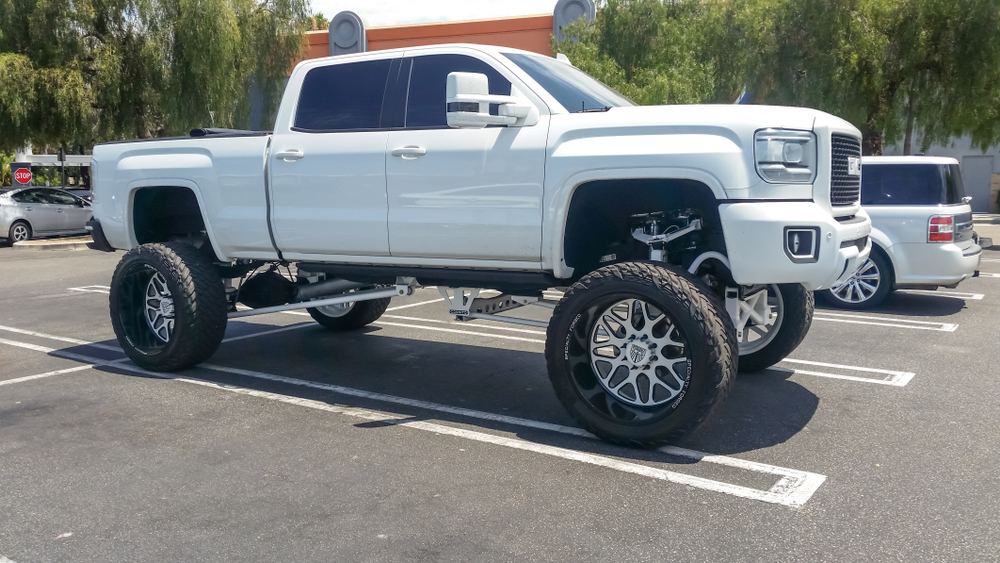
One of the most appealing advantages of installing a truck lift kit is the increased ground clearance. This is particularly beneficial for off-road drivers who regularly tackle uneven trails, rocky paths, and deep mud. By raising the chassis, a lift kit provides more space between the vehicle and the terrain, allowing the truck or SUV to glide over obstacles that would otherwise damage a stock suspension or undercarriage.
Higher ground clearance can also accommodate larger tires, which improve traction on off-road surfaces. This gives the vehicle better grip on snow, sand, and loose dirt, contributing to a more confident and capable driving experience. Whether you’re climbing mountain trails or crossing shallow streams, a lift kit makes your truck more prepared for the unpredictable nature of the outdoors.
While this may sound like a universal benefit, it is more relevant to those who actually use their vehicles off-road. If your driving is limited to city streets or highways, this particular benefit may not justify the added cost and effort of a lift kit installation.
Aesthetic Appeal and Customization
There’s no denying that a lifted truck or SUV turns heads. For many owners, one of the major pros of lift kits is the visual transformation it offers. The vehicle stands taller, commands a stronger presence on the road, and often looks more aggressive or rugged. For automotive enthusiasts, this enhancement allows for a greater sense of personal expression and style.
Lift kits also open the door to a wide range of customization options. Larger wheels and tires, upgraded shocks, and enhanced bumpers are all easier to install and more functional on a lifted vehicle. Whether it’s for style or function, the lift kit often serves as a foundation for further customization that makes the vehicle uniquely yours.
However, it is important to note that beauty is in the eye of the beholder. A lifted vehicle may appear imposing or appealing to some, but it can also draw criticism or unwanted attention. Insurance premiums may even be affected, as some providers view custom modifications as higher risk. What starts as a visual upgrade can quickly have more serious implications.
Impact on Ride Quality and Handling
Despite the many upsides, one of the more noticeable disadvantages of lift kits is how they affect ride comfort and handling. Lifting a vehicle changes its center of gravity, which can make it more prone to body roll when cornering. This means you may experience more sway, especially during high-speed turns or emergency maneuvers.
In many cases, the ride quality becomes stiffer or bumpier, depending on the type of lift kit and how it is installed. Suspension lift kits tend to preserve ride comfort better than body lift kits, but both can alter how your vehicle responds to road conditions. Some drivers report a harsher feel, especially when driving over speed bumps or potholes.
Steering may also feel different. In lifted vehicles, the additional height can cause issues with alignment, steering angles, and suspension geometry. If not properly adjusted after installation, these factors can lead to uneven tire wear, poor handling, and a higher risk of mechanical failure. While some of these problems can be resolved through careful installation and calibration, they represent ongoing concerns that come with the territory.
Cost Considerations and Maintenance Challenges
Another critical factor in evaluating the pros and cons of lift kits is the cost. A basic body lift kit might be relatively affordable, but full suspension lift kits can cost thousands of dollars, especially when professional installation is involved. Add to that the cost of larger tires, wheels, alignment, and ongoing maintenance, and the price tag can escalate quickly.
Maintenance becomes more complex with a lift kit. Components such as the driveshaft, axles, brakes, and steering systems may require modification or upgrades to operate correctly at the new height. This means more frequent inspections and potential repairs. What might be a minor issue on a stock vehicle could turn into a major repair on a modified truck or SUV.
Additionally, some manufacturers may void warranties for vehicles with lift kits installed. This could result in higher long-term costs if problems arise, as you may have to pay out of pocket for repairs that would otherwise be covered. Always check your warranty agreement and consult with a professional mechanic before making a final decision.
Legal and Practical Limitations
Not all areas are friendly to modified vehicles. One of the overlooked disadvantages of lift kits is the legal restriction in certain states or municipalities. Some places have regulations on maximum ride height, bumper height, or headlight placement, which means your lifted truck might not be street legal everywhere. Driving a vehicle that violates local regulations can result in fines, impounding, or failed inspections.
There are also practical issues to consider. A lifted vehicle can be harder to get in and out of, especially for shorter passengers or those with mobility issues. Parking in low-clearance garages or drive-thrus might be more difficult. You may also need additional accessories like side steps, extended brake lines, or modified tow equipment to make your truck fully functional after a lift.
The resale value of a lifted truck or SUV can be unpredictable. While some buyers are specifically looking for a modified vehicle, others may view it as a liability. Potential buyers may be wary of unknown mechanical alterations, increased maintenance costs, or compatibility issues with standard parts. This could make the vehicle harder to sell or reduce its market value.
Conclusion
Installing a lift kit on your truck or SUV is a significant modification that comes with a blend of rewards and responsibilities. The pros include improved off-road performance, striking visual appeal, and enhanced customization opportunities. For those who use their vehicles in rugged environments or want to stand out from the crowd, a lift kit can be a worthwhile investment.
However, the cons are equally important. Increased maintenance, changes in handling, legal restrictions, and added costs can turn a dream upgrade into a frustrating commitment if not carefully planned. It’s essential to evaluate how often you will benefit from the lift kit’s advantages and whether those gains outweigh the potential downsides.
By understanding the full spectrum of pros and cons of lift kits, you can make a more informed decision that aligns with your driving habits, aesthetic goals, and long-term ownership plans. If you proceed with caution and professional guidance, a lift kit can elevate your vehicle in both form and function. But remember, it’s not just about lifting your truck; it’s about lifting your expectations, too.
Need a Tire Shop Near You?
At Midtown Tire & Auto, we’re proud to bring our family’s decades of experience in the auto business to Pine Bluff, delivering the quality and care you deserve. Whether you need new tires, expert auto service, or a trusted team to keep your vehicle running smoothly, we’re here to help. Our goal is to give every customer the VIP treatment with shorter wait times, exceptional service, and pricing you can count on. Give us a call or stop by today; because if you’re not happy, we’re not happy!